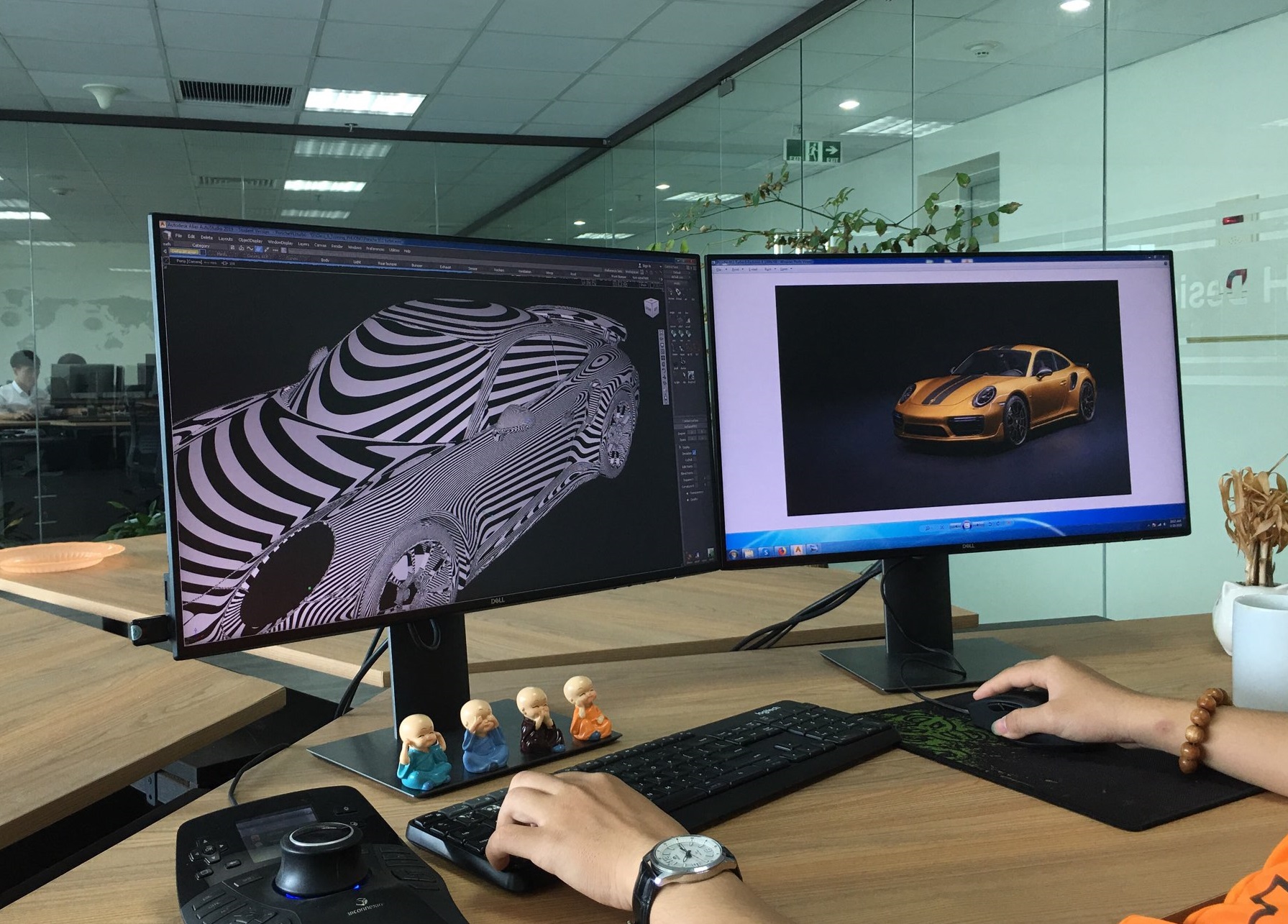
16 Years of Entrepreneurship: Reflections for the Next Chapter_PSH Design
16 Years of Entrepreneurship: Reflections for the Next Chapter
Yesterday was my 46th birthday and my company’s -PSH Design- 16th birthday. After 16 years building a business, here are some thoughts I’m documenting for the journey ahead—hopefully sparking a smile or two along the way.
1. Startups and Making Money
Let’s be honest: entrepreneurship is not the smartest way to get rich—it’s one of the dumbest, actually. If money is your only goal, safer and smarter paths exist. That dream of working a few years then retiring to sip cocktails on a beach? That’s pure fiction peddled by the media, repackaged and sold a million times over. Don’t buy it.
Here’s what most people miss about money: it has two critical properties—timing and amount. We chronically undervalue timing, but cash in hand is king in every scenario. Revenue and company size? Just vanity metrics. Net profit margin is your only real scorecard. Everything else is ego on a spreadsheet.
2. Work and Happiness
Want a fun job? Sell ice cream.
Real work—especially hard, challenging work—isn’t fun. It never is. And that’s exactly the point. Because when fun pairs with ease and comfort, there’s nothing left worth pursuing. The friction is where the growth lives.
3. Leadership and Building Organizations
Good leaders create more leaders. That’s it. Organizations are machines—the more automated, the better. If the place falls apart without you, let it fall. You need to know if you’re actually running it or if it’s running you.
Which brings me to the hardest truth about leadership: the biggest courage in life is believing someone else can do it better than you—then truly handing them the keys while you step back to support. Most bosses fail spectacularly here. They delegate tasks but cling to decisions. They create subordinates, not successors.
Now, here’s something else most leaders won’t admit: bosses are typically their company’s greatest saboteur. It’s spaghetti logic—policies written this morning, erased by tonight because the boss has a new idea. This creates chaos. People don’t know the actual rules because the rules shift with the boss’s mood.
Companies need transparent written policies that everyone can reference anytime—and crucially, that give people permission to push back when leadership decides to improvise wildly. Without this, you breed either robots or rebels. You want neither.
4. Responsibility, Power, and Strategy
Here’s a distinction that matters: responsibility creates power and influence—not the other way around. Most people think power comes first, then responsibility follows. Wrong. Make the hard calls. Own the mistakes. Do the work. This is what builds real authority.
With that responsibility comes the weight. The leader carries it. That’s the deal. Accept it or find a different job.
Now, on strategy: strategic goals should be audacious enough to make most people in the room violently uncomfortable. If your goal gets consensus in the room, it’s already too conservative. The comfortable, compromise-friendly targets everyone nods along to? They’re obsolete before the meeting ends. Real strategy requires saying something that makes half the room want to argue.
5. Learning and Self-Development
Reading won’t guarantee wealth, but it guarantees fewer stupid questions. The hardest thing in life is understanding yourself; the easiest is giving free advice to others.
Let me be blunt: some people stay at the bottom not because of injustice or weakness—they simply don’t want to climb. Conservatism and bias stem from ignorance and limited experience. So travel widely, keep an open mind, and stop debating right and wrong with people stuck in their ways. You can’t logic someone out of a position they didn’t logic themselves into.
6. Business Strategy and Execution
Sell wood where the trees are—where the most buyers gather and the fiercest competitors sharpen their blades. Challenge breeds character.
Here’s the blunt part: business is like fishing. You don’t build bait based on what you enjoy casting—you build it based on what the fish actually want. This simple shift in perspective changes everything.
But here’s what really separates winners from everyone else: ideas don’t determine success or failure—execution does. A thousand people have had your idea. What matters is what happens after you say it out loud. Flawless execution on a mediocre idea beats brilliant ideas executed poorly, every single time.
Get top 10% execution and you can do almost anything. Stumble on execution and even great ideas die. So stop polishing the idea and start shipping the work.
7. Leadership Style and Life
CEOs think with their heads; business owners think—period. And they think best while relaxing: reading, sipping coffee, fishing, walking, playing sports. Don’t become that boss camping in the office, counting punch-ins and hovering over people’s desks. That’s management theater—it looks productive but produces nothing.
Your job isn’t to supervise. It’s to decide. And good decisions require space, not busywork.
Finally, remember this: a man’s worth is measured by how much he can still borrow the day after bankruptcy. Prosperity flows to the thriving, never to the declining—applies equally to entrepreneurs’ spouses, by the way.
“These are 16 years of lessons learned—not all smooth sailing, but every bump worth the education.
I know you might not agree with everything above. That’s fine—to me, maturity means accepting differences. I just hope these unconventional thoughts bring you some value, or simply spark a moment of reflection.
Ready for the next 16 years? I wouldn’t expect it to go well, lol.
Take care, my friend.”
PSH Design
17+ years of CAS, Class A Surfacing, CAD and Reverse Engineering for Automotive, Aerospace, Medical and Industrial, to OEM standard.
Concept Design & CAS · Class A Surfacing · CAD Engineering · Reverse Engineering
Work of this kind is easier to judge than to describe.