Breakthrough Trends in Medical Device Design 2025
Breakthrough Trends in Medical Device Design 2025
Introduction
In 2025, the medical device sector is advancing rapidly through transformative adoption of CAD-based product architectures, artificial intelligence in health engineering, and industrial-grade 3D printed prototypes. Senior leadership must prioritize technology strategies that compress go-to-market cycles, elevate clinical outcomes, and secure competitive advantage. The most disruptive innovations now leverage real-time clinical partnerships, dramatically increasing throughput and procedural optimization for clinical evidence.
1. CAD Medical Device Design: Precision Accelerates Compliance
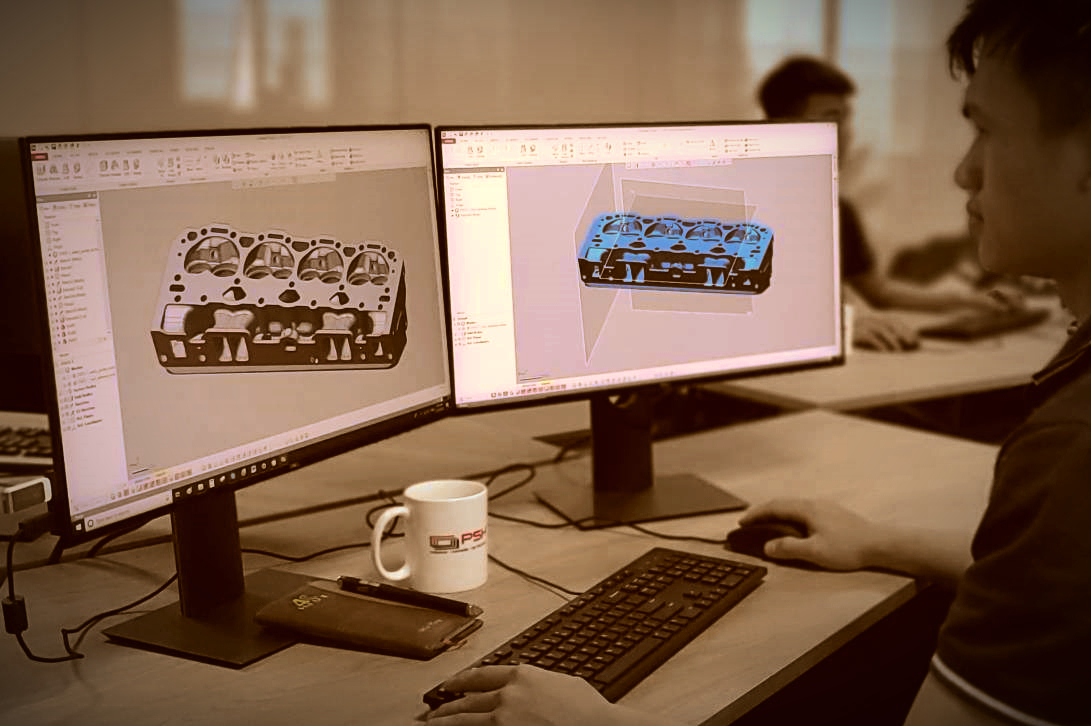
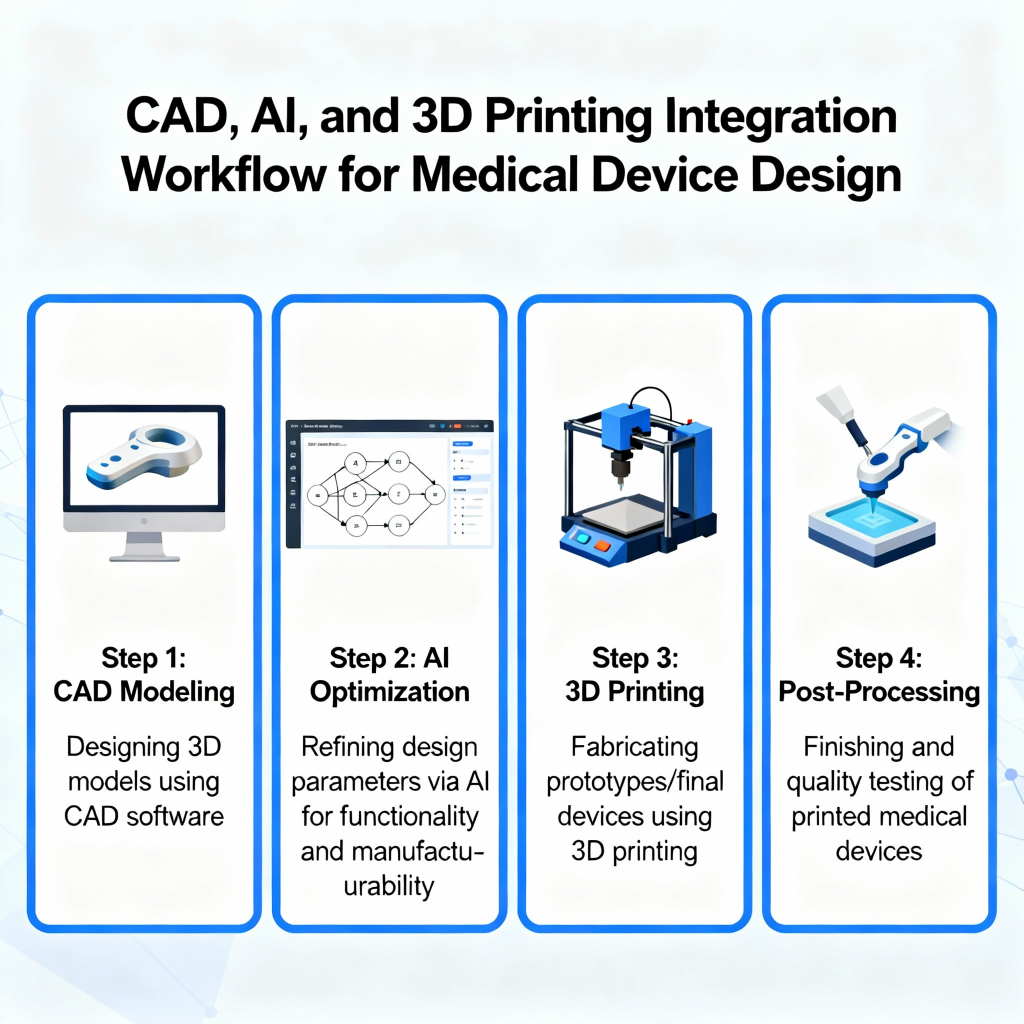
Modern medical device development centers on advanced Computer-Aided Design workflows, unifying topology optimization, finite element analysis, manufacturability validation, and seamless data transfer for computer-aided manufacturing (CAM). This cohesive approach reduces design iteration, limits errors related to manufacturability, and produces ready-to-submit digital documentation for regulatory approval. Mission-critical competencies include parametric modeling for rapid variability management, exhaustive design history for regulatory traceability, integrated biomechanical simulation, and native export for additive manufacturing platforms.
Direct business impact: Declines in engineering cycle times, lower risk of preclinical failure, and accelerated preparation for regulatory submissions.
2. Artificial Intelligence in Healthcare Engineering: From Data to Design Validation
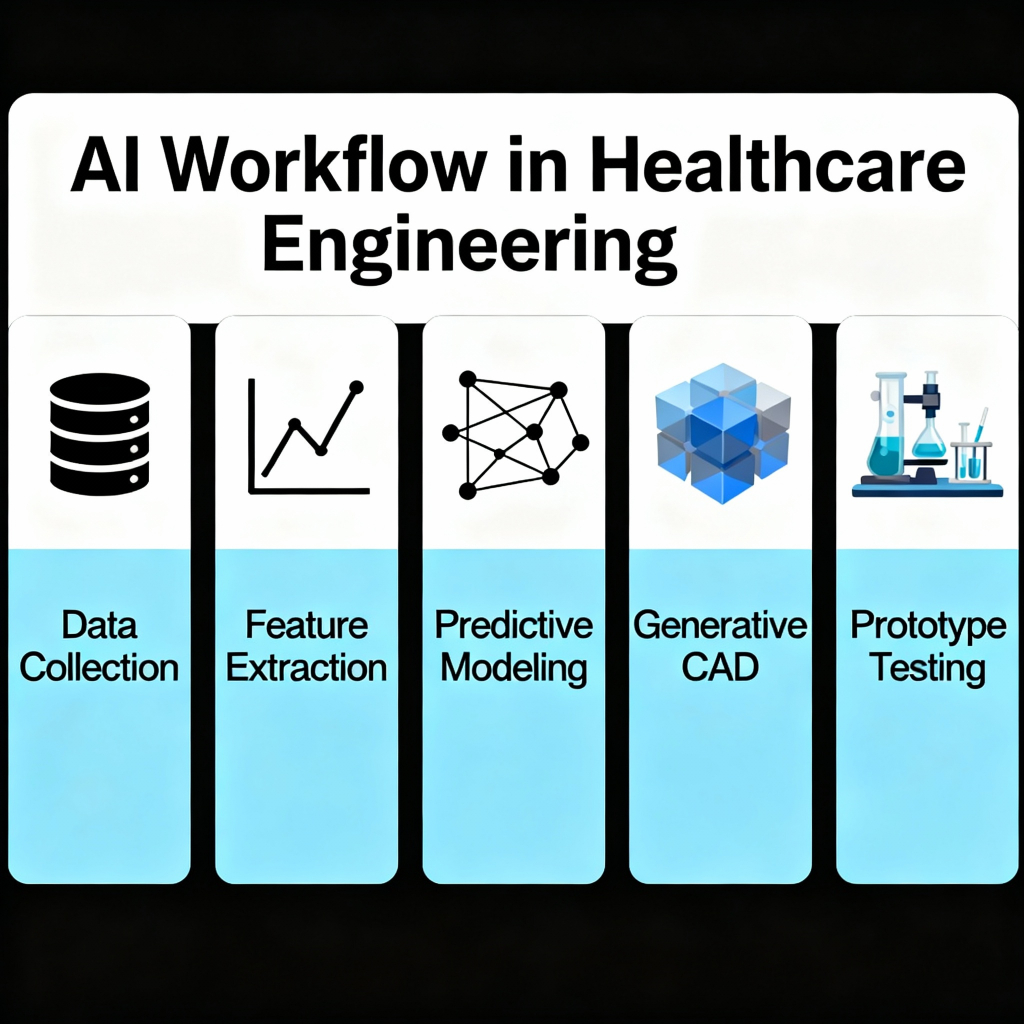
AI-driven engineering transforms disparate clinical datasets into actionable improvements in device performance and safety. Predictive modeling of device–tissue interface, automated risk quantification, and generative CAD proposals allow smarter and safer product lifecycles. A robust workflow begins with data ingestion, advances through feature engineering and simulation, and culminates in digital prototype generation and in-silico validation.
Key outcomes: Greater first-pass prototype acceptance, reduced redesign rates, and higher compliance documentation standards.
3. 3D Printed Medical Prototypes: Accelerating Concept-to-Clinic
Additive manufacturing reduces prototype lead times from weeks to days, especially for patient-specific anatomical models and functional testing. Validated bio-compatible printing materials ensure that clinical feasibility can be achieved with minimal manual intervention. Integration with CAD workflows allows instant export of geometry and material specifications for direct 3D printing, supporting true rapid iteration.
Strategic relevance: Shortened time-to-first-patient, cost-efficient validation, and compelling evidence structures for regulatory and investment stakeholders.
4. Rapid Clinical Validation Through Strategic Hospital Access
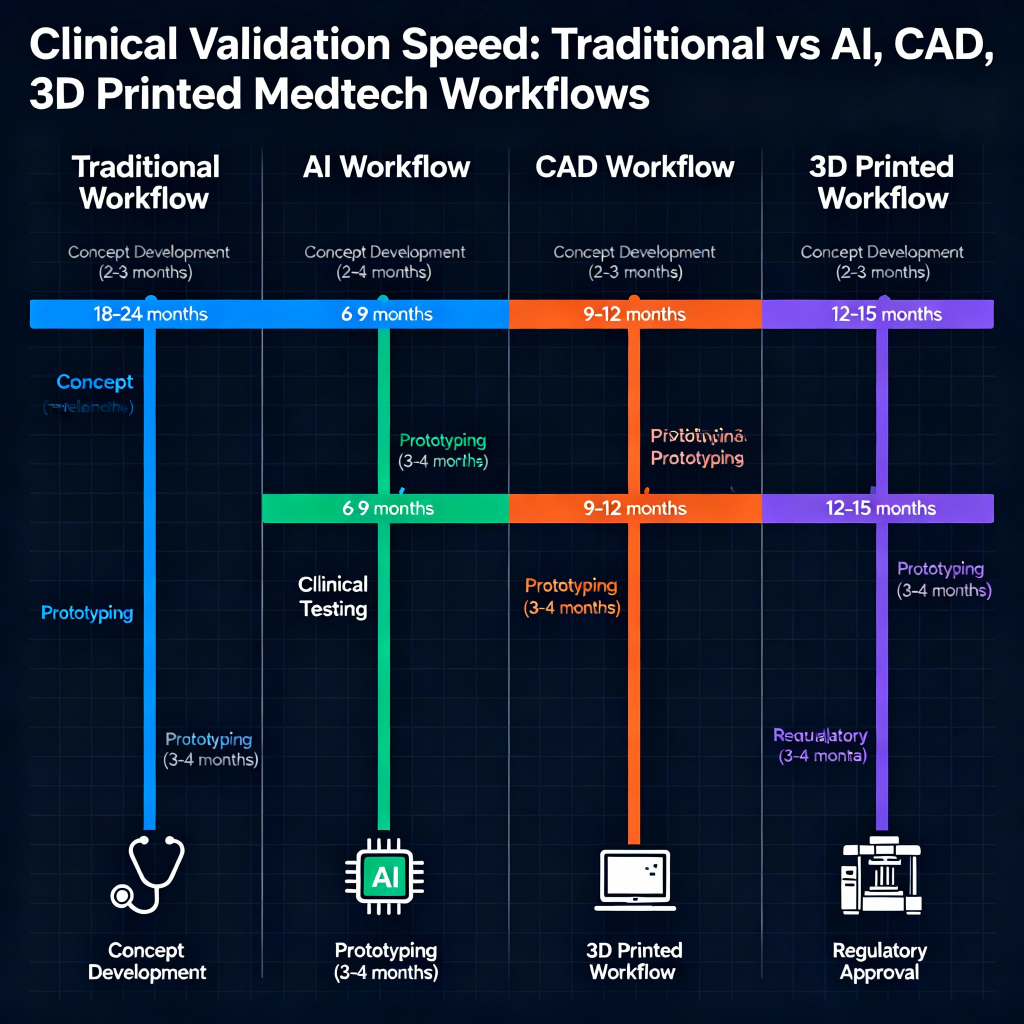
Clinical validation remains the most resource-intensive barrier to commercialization. By securing privileged access to high-volume hospital networks, organizations can execute hundreds to thousands of patient-specific tests monthly. This model enables expedited clinical data capture, agile refinement cycles, and credible, iterative evidence generation for regulatory filings.
Competitive differentiation: Devices advance from prototype to clinical evaluation in weeks, not months.
5. Multidisciplinary Workflows: Harnessing Engineering Synergy
Solving complex product challenges demands tightly integrated collaboration among mechanical engineering, advanced CAD, healthcare AI, and additive manufacturing disciplines. Coordinated patient imaging, AI-driven design proposals, mechanical refinement, materials engineering, and parameterized print instructions form a seamless process—illustrated vividly in cranial implant customization and MEMS surgical tool development.
Operational metrics: Typical programs yield 30–40% cost reduction, 40–50% faster development, and higher clinical trial success compared to legacy methods.
6. Cost and Timeline Optimization: Technology-Driven Efficiency
Synergistic application of CAD, AI, and additive manufacturing systematically compresses timelines and reduces fiscal pressures throughout design validation and commercialization. Industry benchmarks demonstrate reductions up to 50% in design cycle times and 30–40% in prototyping expenses, with substantial acceleration in clinical validation.
Critical KPIs: Prototype cycle velocity, acceptance rates, monthly clinical data accrual, and regulatory responsiveness.
7. Scalable Clinical Testing: Maximizing Statistical Power
Unmatched clinical access supports robust, statistically reliable feasibility studies, streamlining CE and FDA submission processes and buffering investor exposure. High-volume workflows sustain iterative product enhancements, yielding stronger, more convincing submission packages.
Executive advantage: Rapid feasibility studies and credible datasets empower stakeholder engagement and regulatory conversations.
8. Partnership Model and Delivery Assurance
A comprehensive engineering and clinical support system encompasses CAD-oriented design, AI-driven optimization, high-reliability rapid prototyping, and coordinated clinical testing. Structured sprints, on-site validation, regulatory dossier preparation, and demonstrable reductions in both time and cost are core deliverables.
Leadership assurance: Dedicated technical excellence and proven clinical integration for robust commercialization.
Conclusion: Strategic Opportunity for Leadership and Investment
The intersection of advanced CAD engineering, AI-empowered product design, and industrial additive manufacturing defines the next frontier in medical device innovation. Senior executives positioned within multidisciplinary, clinically validated partnerships will capture measurable market advantage. Expert teams with full access to clinical environments are equipped to deliver quantifiable acceleration in development timelines, cost structures, and clinical evidence quality.
To discover tailored strategies and live demonstrations, engage with PSH DESIGN for quantifiable savings (≥30%) and demonstrable trial acceleration.
Link to contact : https://pshdesign.com/rfq-free-test-project/
(PSH Design Team )
PSH Design
17+ years of CAS, Class A Surfacing, CAD and Reverse Engineering for Automotive, Aerospace, Medical and Industrial, to OEM standard.
Concept Design & CAS · Class A Surfacing · CAD Engineering · Reverse Engineering
Work of this kind is easier to judge than to describe.