Sub-D Modeling and Concept Design in Automotive, Aerospace, and Industrial Product Design | PSH Design Service
Sub-D Modeling and Concept Design in Automotive, Aerospace, and Industrial Product Design
1. Introduction: Definition and Importance of Sub-D Modeling
Concept design is the critical first step transforming creative ideas into tangible shapes and lines, setting the style and functionality for the final product. In complex industries such as automotive, aerospace, and industrial manufacturing, Sub-D Modeling (Subdivision Surface Modeling) allows fast creation of smooth, precise 3D models. This method supports rapid iteration and visualization, enabling marketing, R&D, and production teams to make timely adjustments.
Renowned automakers like Ford, BMW, and Volkswagen use Sub-D Modeling not only to translate 2D sketches into vivid 3D representations but also as a foundation for physical and digital prototyping—optimizing creativity, reducing costs, and saving development time.
2. Design Software: Tools Empowering Concept Modeling
Efficient concept design relies on specialized software. Leading programs include:
-
Autodesk Alias Sub-D: Industry standard in automotive and premium industrial design; excels at Class-A surface creation, advanced topology refinement, and seamless CAD integration. Used notably by Jaguar Land Rover for precision mold-quality surfaces.
-
Blender: Open-source, free software with versatile modeling, sculpting, and powerful rendering (Cycles/Eevee), favored by small studios and freelancers for rapid concept creation and visual presentation.
| Feature | Autodesk Alias Sub-D | Blender |
|---|---|---|
| Software Type | Commercial, industry standard | Free, open-source |
| Primary Use | Automotive & premium industrial design | Fast design & rendering |
| CAD Integration | Seamless | Limited, requires file conversion |
| Accuracy | High, production-ready | Moderate, concept-focused |
| Cost | Licensed, expensive | Free |
3. Collaboration and Resource Optimization in Concept Design
Successful concept development thrives on cooperation between in-house 2D sketch designers and outsourced 3D modelers (Sub-D specialists).
-
In-house sketch designers sustain brand identity and creative consistency, exemplified by BMW’s robust internal sketch team.
-
Outsourcing 3D modelers offers access to specialist skills, flexibility to scale for project demands, and cost-efficiency without long-term infrastructure investment. Ford, Volkswagen, Jaguar Land Rover, and Toyota apply this model effectively.
This division accelerates workflows: sketchers rapidly develop form concepts while modelers refine detailed 3D models, enhancing both creativity and productivity.
4. Rapid Design Through Physical and Virtual Prototyping
Industry 4.0 demands an integrated approach combining fast digital design and rapid prototyping:
-
Sub-D Modeling enables swift, detailed 3D concept creation, bridging sketches to physical forms.
-
Physical Prototyping: 3D printing rapidly produces complex prototype parts, while CNC machining creates high-precision, material-realistic models for ergonomic and functional evaluation.
-
Virtual Prototyping: Digital testing uncovers design flaws early, reduces costly revisions, and facilitates collaborative feedback across engineering, marketing, and manufacturing teams in real time.
Case Examples:
-
Tesla uses this integrated prototyping approach to shorten vehicle launch cycles, maintaining market agility.
-
Chinese automakers reportedly achieve up to 50% reduction in design and prototyping costs through these methods, heightening competitiveness.
5. Traditional vs. Digital Design Workflows
Traditional automotive design relies heavily on hand sketches and physical models—processes that are costly, time-consuming, and inflexible. In contrast, Sub-D Modeling provides:
-
Smooth, editable, highly accurate digital surfaces that accelerate iteration cycles from weeks to days or hours.
-
Early integration of technical data and performance simulations that reduce errors and development costs while enabling more creative exploration.
6. Emerging Trends: AI, VR/AR, and Machine Learning in Concept Design
Advances in technology are reshaping concept design:
-
Artificial Intelligence (AI): Automates repetitive design tasks, supports data-driven creativity, and accelerates ideation.
-
Virtual/Augmented Reality (VR/AR): Offers immersive environments for designers and clients to interact with concepts, enabling precise adjustments and minimizing production risk.
-
Machine Learning: Enhances product performance prediction and optimization, boosting efficiency and cutting development expenses.
Together, these technologies foster faster, smarter, and more innovative industrial design.
7. Global Collaboration and Cross-Industry Customization
Modern projects span multiple countries, demanding:
-
Effective use of cloud collaboration platforms and unified technical standards to maintain quality across geographies.
-
Remote teamwork enables sketching in one country, Sub-D modeling in another, and rendering elsewhere—exemplifying globalization in design.
-
Industries including automotive, aerospace, industrial equipment, and luxury consumer goods require flexible, tailored workflows to meet unique market needs and ensure precise client fulfillment.
8. Economic Impact and Broader Applications of Sub-D Modeling
This combined digital and prototyping approach delivers substantial benefits:
-
Cost Efficiency: Leading companies like BMW, Ford, Tesla reduce design and testing costs by up to 30%, through fewer prototypes and optimized workflows.
-
Faster Time-to-Market: Development cycles shrink from months to weeks or days, providing strategic competitive advantages.
-
Brand Value and Innovation: Higher-quality, precise designs foster customer trust and continuous innovation, attracting both consumers and investors.
Beyond automotive, Sub-D Modeling proves vital in commercial aircraft interior design, luxury yachts, and premium consumer products, enabling ergonomic, aesthetic, and customizable solutions reflecting craftsmanship and technological excellence.
9. About PSH Design: Expertise and Solutions
Founded in 2009 in Hanoi, PSH Design is a leading industrial design firm across Asia, specializing in automotive, aerospace, and industrial products. Combining international experience with mastery of Blender, Alias, and ICEM Surf software, PSH transforms 2D sketches into vivid, precise 3D models that optimize product evaluation and accelerate development.
Notable clients include Honda, Rolls-Royce, BMW, and others. PSH Design delivers fast, cost-effective concept design services that meet stringent international standards.
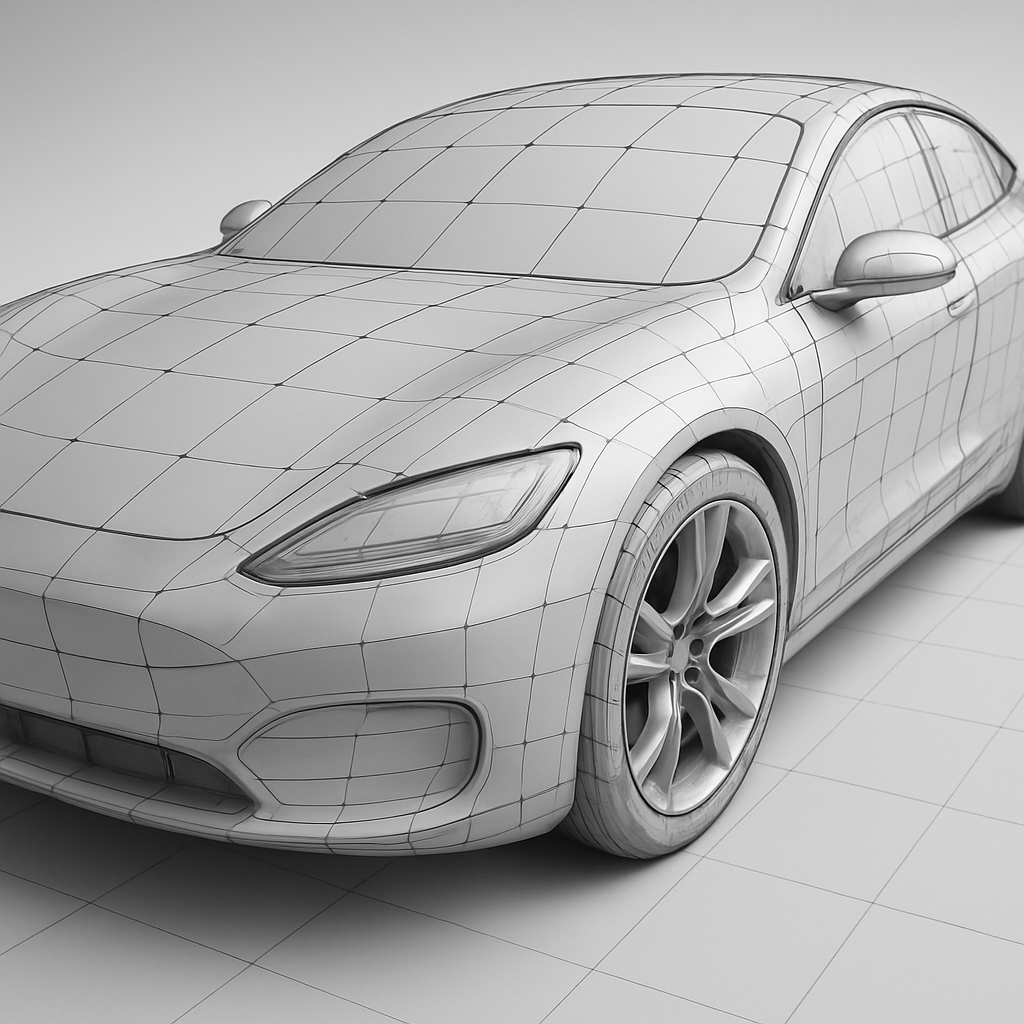
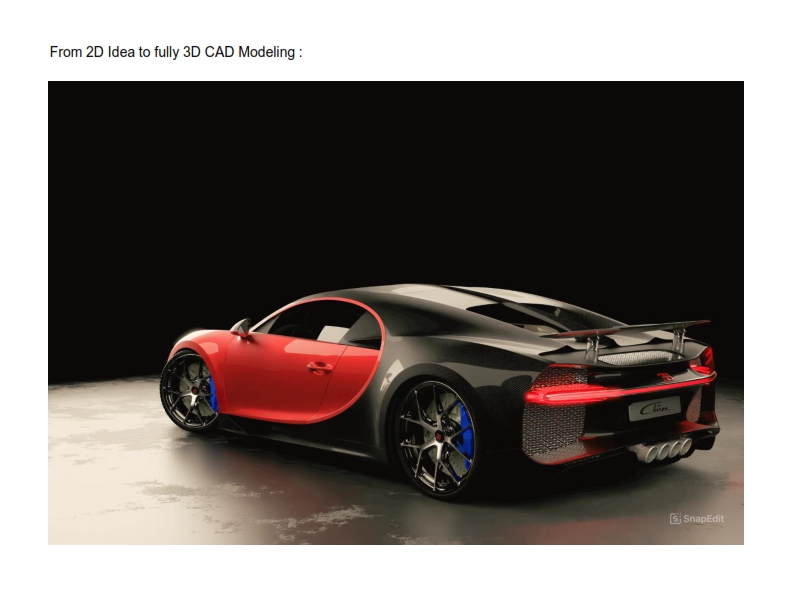
(Sample Concept work by PSH Design, created with only 2D picture input)
Contact us :
Free test project: https://pshdesign.com/rfq-free-test-project/
PSH Design Team – Creating Value, Leading Innovation in Industrial Concept Design
PSH Design
17+ years of CAS, Class A Surfacing, CAD and Reverse Engineering for Automotive, Aerospace, Medical and Industrial, to OEM standard.
Concept Design & CAS · Class A Surfacing · CAD Engineering · Reverse Engineering
Work of this kind is easier to judge than to describe.